Sustainability Leader Jane Davidson Visits Swansea's BIOME Building

"I am very excited by the BIOME as a powerful example of imaginative regeneration. It is a living embodiment of delivering on multiple objectives linked to Wales's Well-being of Future Generations Act.
What excites me most is that this carefully considered project not only benefits people, through high-quality social housing, thoughtfully designed office space, and three floors of greenhouses creating a unique environment, but is also deliberately designed to benefit nature.
I hope that, once open, the BIOME will welcome many visitors to its outdoor spaces, providing a model for inclusive, aspirational communities and future-facing urban design worldwide. It is something we should be produce to see begin in Swansea".
- Jane Davidson
Internationally recognised sustainability leader Jane Davidson visited Swansea’s innovative BIOME building today, praising it as a “fabulous” addition to the city centre and an inspirational model for nature-based urban adaptation. Davidson, the architect of the landmark Well-being of Future Generations (Wales) Act 2015, author of #FutureGens and a leading voice in embedding sustainability into governance, welcomed the opportunity to see both the building and the REPAIR project, for which she serves on the advisory board. She hailed the initiative for placing long-term human and environmental well-being at the heart of urban design.
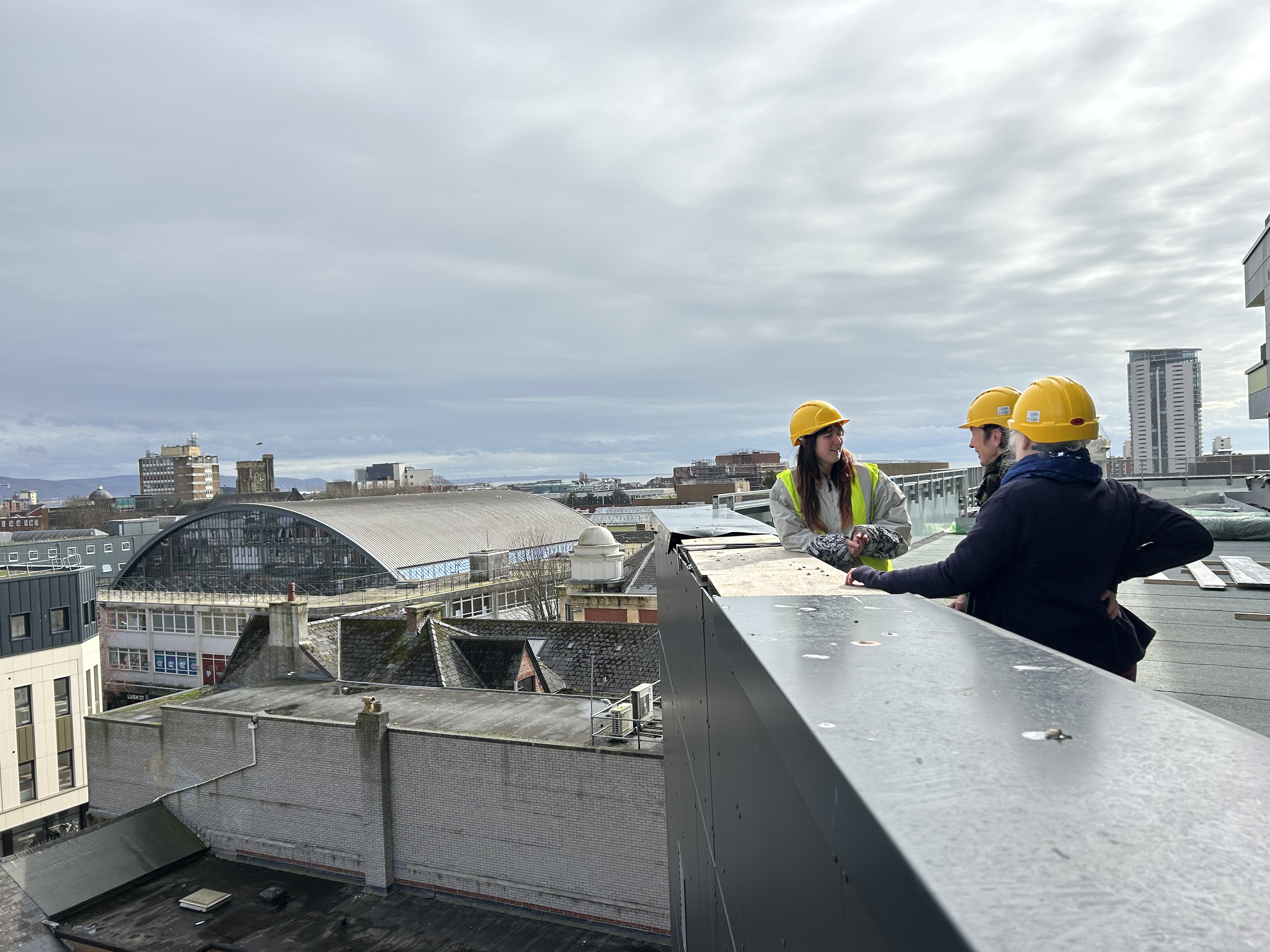
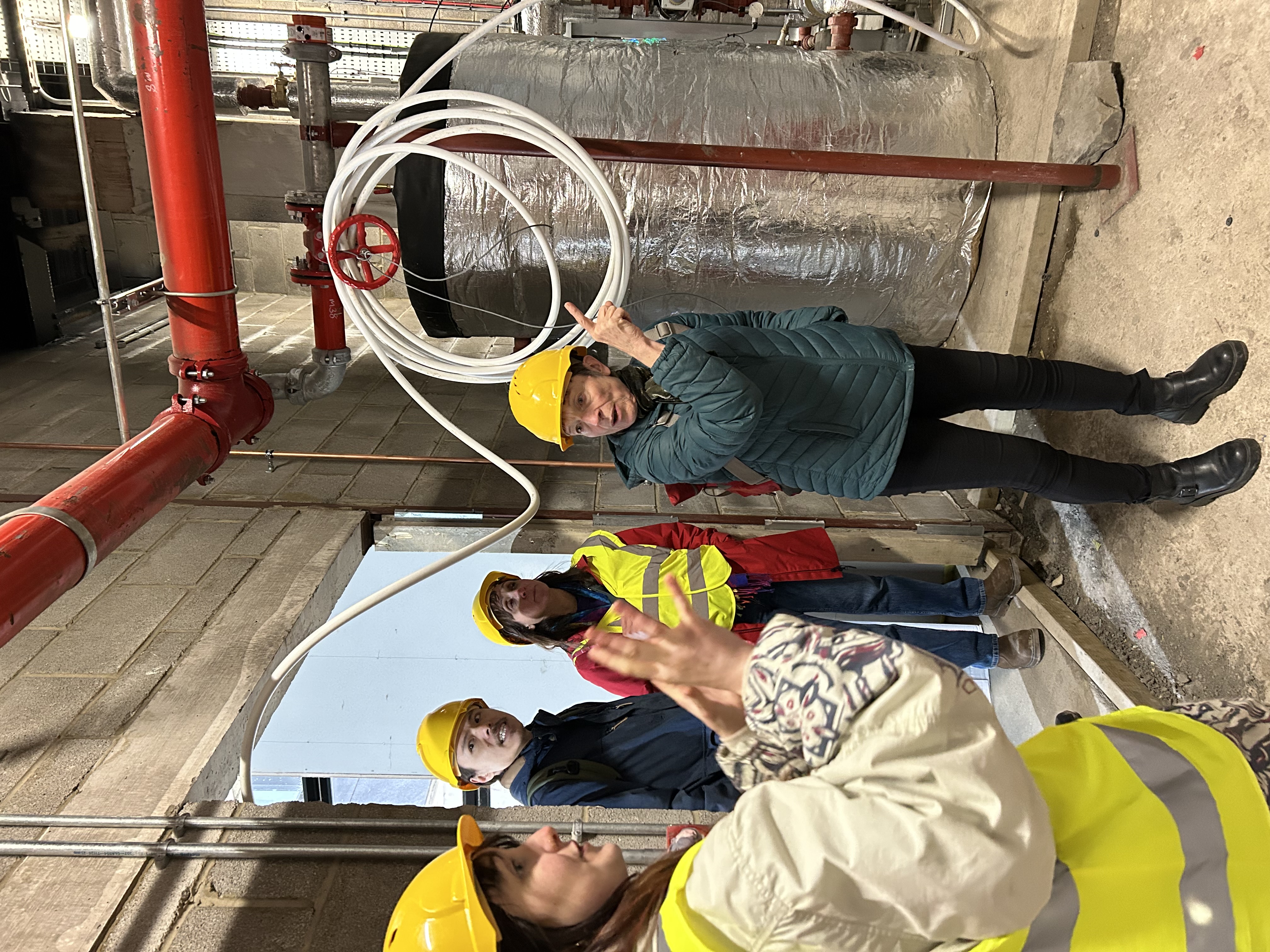
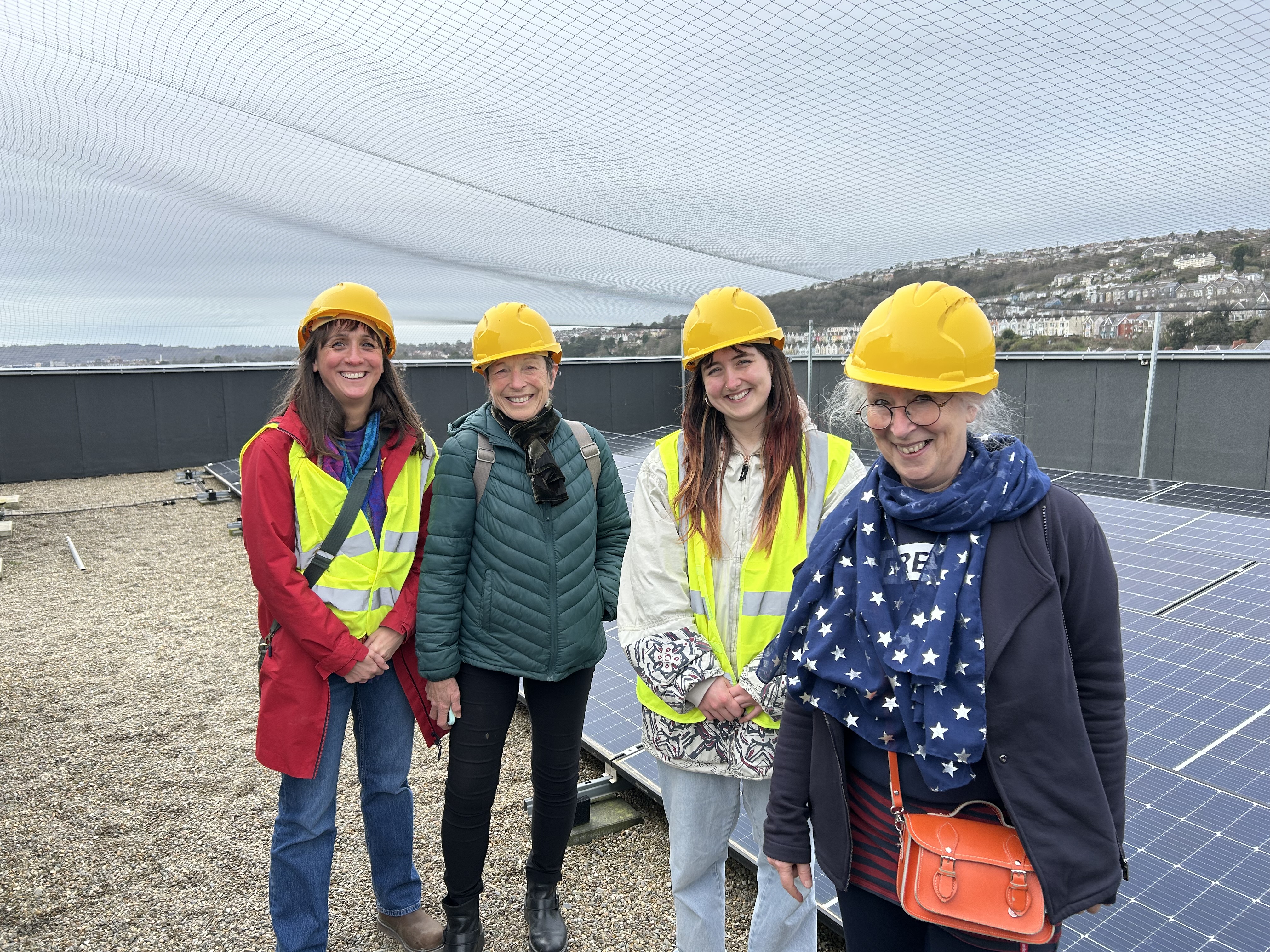
Davidson toured the pioneering 13-storey biophilic retrofit, the first of its kind in the UK, guided by Lucy Ralph of Hacer Buildings, Becky Cole, Head of Regeneration at Codi, Dr Chris Pak, specialist in speculative narrative and futuring at Swansea University and Dr Luci Attala, Environmental Anthropologist and Executive Director of the UNESCO-MOST BRIDGES programme at UWTSD.
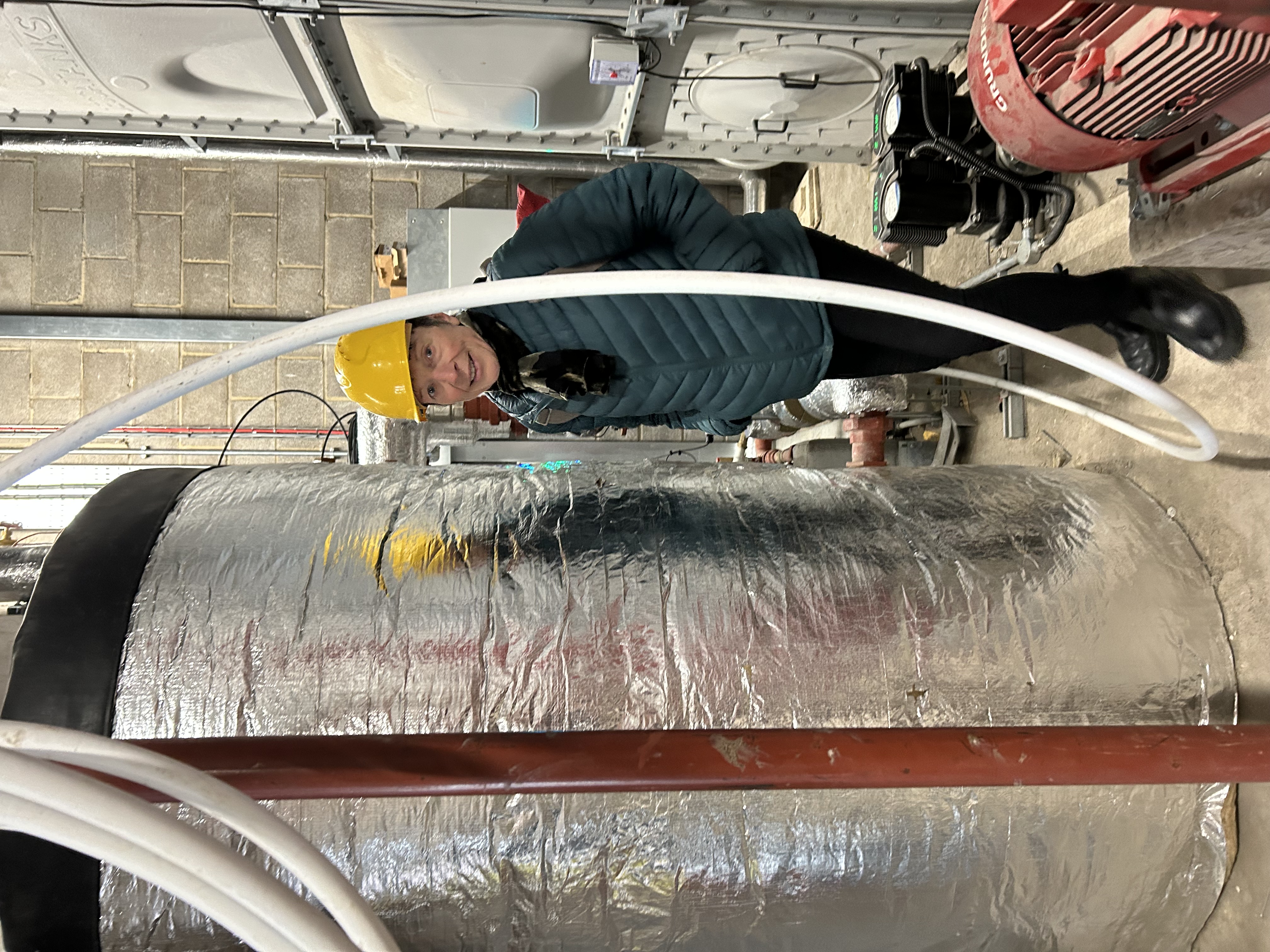
The tour highlighted the BIOME’s transformation from an iconic former Woolworths into a cutting-edge eco-social housing and community hub. Davidson explored the building’s integrated environmental systems, including rainwater capture, solar arrays and high-rise growing spaces, and saw how these elements are informing the REPAIR project’s research into biophilic urban futures. The REPAIR project combines academic research with meaningful relationships with societal partners (Swansea council, NRW and Codi) to understand how urban communities can engage with ecological restoration and inclusive regeneration.
Social equity and participatory governance were central to the visit’s discussion. The BIOME aims to ensure that social housing residents have access to high-quality, biophilic spaces, where residents will be empowered to manage rooftop gardens, deciding what to grow and sell, and taking an active role in the stewardship of their environment.
Davidson welcomed the BIOME and the REPAIR project as powerful examples of imaginative regeneration that centres human experience with caring relationships, providing a model for inclusive, aspirational communities and future-facing urban design worldwide.